
Gambling's cultural impact Understanding its role in society
Historical Context of Gambling
Gambling has been part of human culture for centuries, evolving from simple games of chance to complex systems of betting. In ancient civilizations, such as the Romans and Greeks, gambling was often associated with festivities and communal gatherings. These early forms of wagering laid the groundwork for modern gambling practices, illustrating how deeply ingrained the activity is within various cultures. Today, many players enjoy platforms that offer real money pokies online, providing a convenient alternative to traditional casinos.
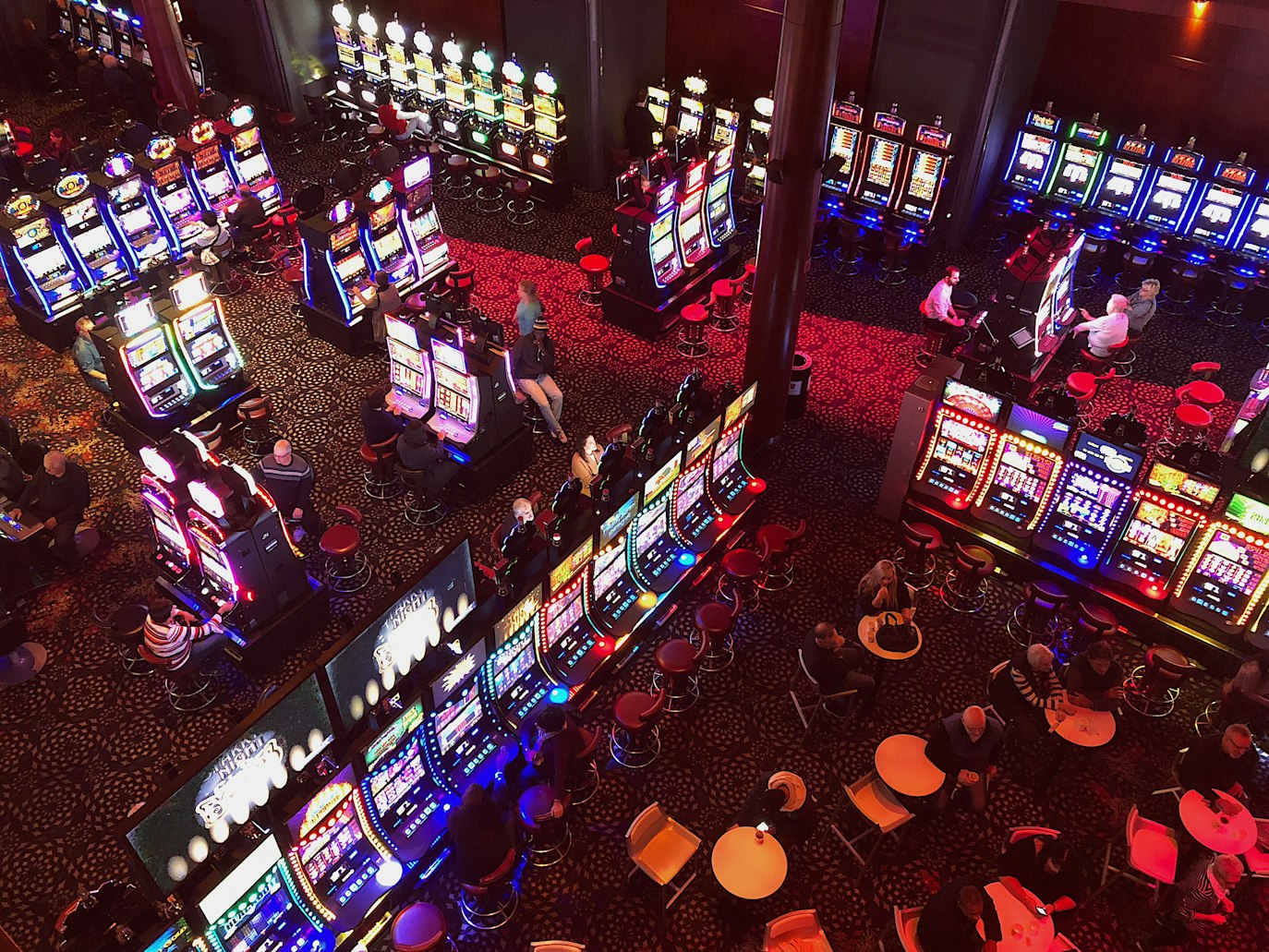
As societies progressed, the perception of gambling changed significantly. In some cultures, it has been viewed as a legitimate form of entertainment, while in others, it has faced scrutiny and legal restrictions. Understanding these historical shifts helps contextualize gambling’s current status in society, highlighting its dual role as both a recreational activity and a potential vice.
Gambling and Social Interaction
Gambling serves as a social lubricant, fostering connections among participants. Whether at a brick-and-mortar casino or through online platforms, individuals often bond over shared experiences, contributing to a sense of community. Casinos frequently host events that bring people together, promoting socialization beyond just gaming.
Moreover, online gambling platforms have created virtual communities where players can interact, share strategies, and celebrate wins together. This shift towards digital interaction has made gambling more accessible, further embedding it in the social fabric. However, it also raises questions about the potential for isolation and addiction, necessitating responsible gambling practices.
The Economic Implications of Gambling
The gambling industry is a significant contributor to local and national economies. It generates revenue through taxes, supports jobs, and drives tourism, particularly in regions known for their casinos. This economic influence has led many governments to embrace gambling as a source of income, further legitimizing its place in society.
However, the economic benefits must be weighed against the social costs associated with gambling. Problem gambling can lead to financial distress for individuals and families, prompting debates about regulation and responsible gambling initiatives. Balancing these economic advantages with potential societal repercussions is crucial for sustainable development in the gambling sector.
The Cultural Reflection of Gambling
Gambling reflects cultural attitudes and values, often mirroring societal norms. Films, literature, and art frequently depict gambling as a metaphor for risk and chance, exploring themes of fate and morality. This cultural portrayal influences public perception, shaping how gambling is viewed within different communities.
Furthermore, as new forms of gambling emerge, such as online gaming and esports betting, cultural discussions evolve. These developments challenge traditional views and encourage dialogue about the nature of gambling in a digital age, illustrating how deeply intertwined gambling is with cultural identity.

Responsible Gambling and Resources
As the gambling landscape continues to evolve, so does the importance of responsible gambling practices. Websites dedicated to providing safe gambling environments emphasize education, offering resources on how to gamble responsibly. These platforms aim to raise awareness about the risks associated with gambling while promoting fun and engaging experiences.
By focusing on transparency and support, these sites are committed to creating a positive impact on the gambling culture. They provide insights into safe deposit methods, competitive bonuses, and a variety of gaming options, ensuring players can enjoy their experiences while remaining aware of their gambling habits.
